
Birdwatching is a rewarding hobby that invites you to connect with nature, relax, and learn about a variety of fascinating feathered creatures. The good news is you don’t need to travel far or invest in expensive gear to start birdwatching — your own backyard can be a fantastic place to observe local birds. If you are new to birdwatching, this guide will walk you through beginner tips to help you get started and make your birdwatching experience enjoyable and successful.
Why Birdwatching in Your Backyard?
Birdwatching at home is convenient and accessible. It requires minimal preparation and offers a peaceful way to appreciate wildlife. Watching birds can reduce stress, encourage outdoor time, and help you learn more about local ecosystems.
What You’ll Need to Get Started
1. A Comfortable Spot
Choose a quiet place in your backyard where you can sit comfortably and watch without disturbing the birds. This might be a porch, patio, or near a window with a clear view.
2. Binoculars
While not essential, a pair of binoculars will enhance your ability to see birds more clearly, especially smaller species or those perched far away. Look for lightweight, easy-to-use binoculars designed for beginners.
3. Bird Identification Guide or App
Having a guidebook or a smartphone app can help you recognize different species. Many free apps provide photos, sounds, and tips for identifying birds by shape, color, and behavior.
4. Notebook or Journal
Keeping a simple journal helps you record your observations, such as species seen, dates, and interesting behaviors. Over time, this will build your knowledge and give you a personal birdwatching log.
Tips for Attracting Birds to Your Backyard
Creating a bird-friendly environment encourages more visitors and makes birdwatching more exciting.
1. Provide Food
– Bird Feeders: Use various feeders to attract different birds — tube feeders for finches, platform feeders for larger birds.
– Seeds and Mixes: Black oil sunflower seeds are popular with many birds. Avoid mixes with fillers like red millet.
– Suet: A good fat source loved by woodpeckers and nuthatches, especially in colder months.
2. Offer Water
A birdbath or shallow water dish invites birds for drinking and bathing. Keep water clean and refresh it frequently.
3. Shelter and Nesting Spots
– Plant native shrubs and trees to provide shelter.
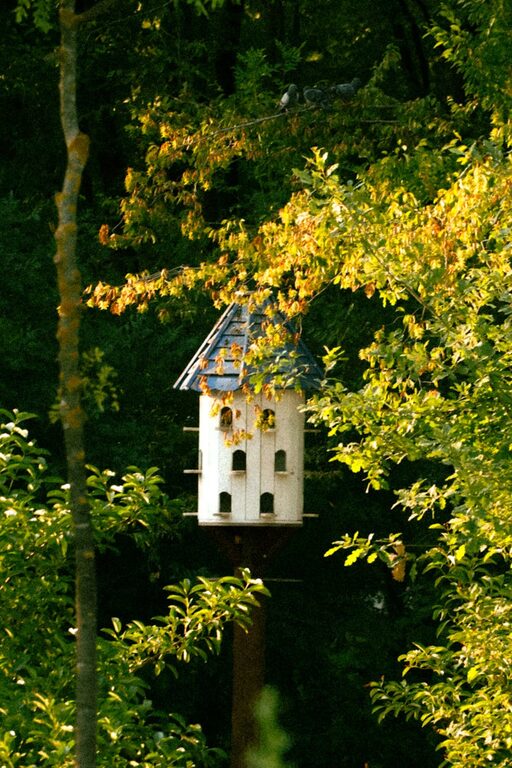
– Install birdhouses suitable for local species.
– Leave some leaf litter or dead wood if possible to support insects birds feed on.
Best Times for Backyard Birdwatching
Birds are generally more active during the early morning and late afternoon. These times offer better light for viewing and a higher chance of seeing birds feeding or interacting.
Observing Birds Ethically
– Keep a respectful distance; avoid chasing or tapping windows.
– Use quiet voices and minimize sudden movements.
– Do not disturb nests or wildlife habitats.
How to Identify Common Backyard Birds
Start by looking for easy-to-spot features like size, shape, color patterns, and behavior. Some common backyard birds include:
– American Robin: Orange belly, gray back, sings melodic tunes.
– Northern Cardinal: Bright red male, brownish female with red accents.
– Blue Jay: Bright blue with white and black markings, noisy calls.
– House Sparrow: Small, brown and gray with black bib, often social.
– Mourning Dove: Soft gray with a gentle cooing sound.
Using a bird identification app, you can listen to bird calls and compare images to help with identification.
Keeping a Birdwatching Journal
Your journal can include:
– Date and time of sighting
– Weather conditions
– Bird species observed
– Number of birds
– Specific behaviors noticed (feeding, singing, nesting)
This practice improves memory, observation skills, and enjoyment.
Joining the Birdwatching Community
Consider joining local birding groups or online forums. Many communities organize walks, workshops, and citizen science projects like bird counts that you can participate in to deepen your experience.
Enjoying Birdwatching Year-Round
Backyard birdwatching changes with the seasons. Spring and summer bring nesting and vibrant songs, while fall and winter might showcase migratory species or birds adapting to colder weather. Adjust feeders and water availability as needed through the year.
—
Birdwatching is a peaceful, educational, and fun way to explore nature from your own backyard. With some basic tools and a little patience, you’ll soon be identifying birds and appreciating their beauty and behaviors. Happy birdwatching!